


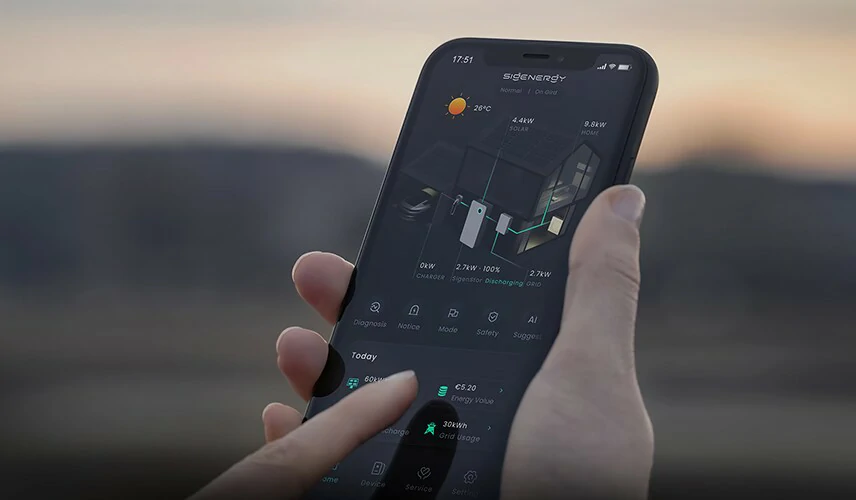
A home can have a surprisingly loud electrical life. The refrigerator cycles on, the dryer spikes, the EV charger pulls steadily, and the heat pump quietly becomes the biggest load in the house.

A home energy monitor can make that invisible activity visible. The harder question is what to do with the information once it is on the screen.
A home energy monitor is usually a panel, meter, or app-based tool that shows how much electricity the home is using, often in real time. The U.S. Department of Energy notes that whole-house monitoring systems can provide more detailed energy data, though cost and complexity depend on how many circuits are being monitored and whether an electrician is needed.
Monitoring Answers One Question
Monitoring is useful because it replaces guesswork. It can show that the old freezer in the garage is not worth keeping, that the dryer should run earlier in the day, or that the EV is charging during a costly rate window. For a homeowner with no solar, no battery, and no major flexible loads, that may be enough.
The limits show up once the house has solar, storage, smart loads, or time-of-use rates. Knowing that the dishwasher should wait until off-peak hours is helpful.
Having the system schedule it automatically is a different level of value. That is where ahome energy management app moves beyond the basic monitor category.
Energy Management Adds Decisions
Energy management means the system can help decide when to use, store, or shift electricity. It is not only about showing a graph.
It is about connecting the graph to actions: charging a battery, delaying a load, using surplus solar, or protecting backup capacity for essential circuits.
This matters more as homes electrify. A heat pump, induction range, battery, and EV charger can all be good upgrades, but they also create a more dynamic load profile. The U.S. Energy Information Administration tracks rate structures where electricity prices depend on when power is used, and those plans reward homes that can shift consumption without constant manual attention.
One useful distinction is ownership of the next step. If the homeowner has to interpret the chart, remember the rate window, and change the device schedule manually, the system is still mostly monitoring.
If the app can apply preferences and coordinate devices around them, it has crossed into management.
A Simple Way to Choose
A basic monitor may be enough if the goal is to find a few energy hogs and build better habits. Energy management starts to make sense when the home has at least one controllable asset: solar, a battery, EV charging, backup circuits, or large flexible loads.
Look for three capabilities. First, the system should show energy flow clearly. Second, it should let the homeowner set practical rules. Third, it should explain why it made a decision, because trust matters when a system is controlling power.
That is the reason products like the mySigen App energy control platform fit naturally into conversations about modern monitoring. They turn visibility into an operating strategy, not just a daily chart.
A monitor can tell a homeowner what happened; a management system can help shape what happens next.

















Komentar