


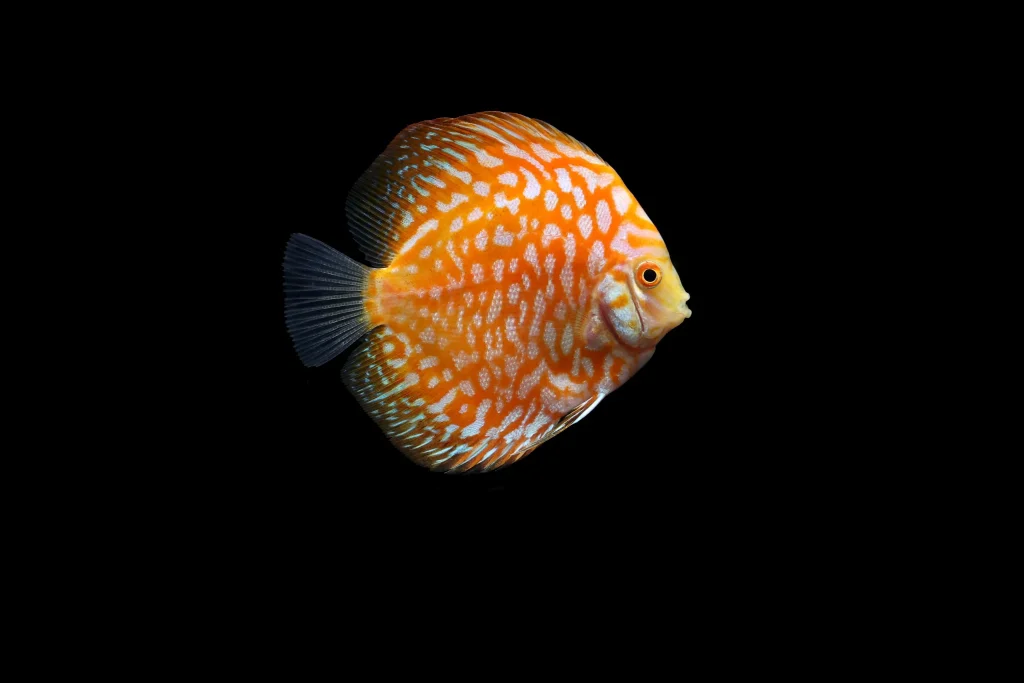
Hello friends! When gazing at a large aquarium display, our eyes are often instantly drawn to a group of small fish darting together in perfect harmony.

This natural, synchronized swimming behavior is not just mesmerizing for aquarium hobbyists; it also holds incredible economic potential for the international aquarium business.
For importers, wholesalers, and large chain stores, staying ahead of consumer demand is the ultimate key to keeping a business profitable and sustainable. These group-oriented fish consistently top global shopping lists because their dynamic charm never fades over time.
In this deep-dive article, we will uncover why this specific fish category is an essential asset for your commercial success. We will also explore practical maintenance strategies and show you how to choose the right breeding partner to secure your store’s inventory. Let’s explore this fascinating topic together!
Why Do Schooling Fish Swim Together?
Friends, you should know that this synchronized swimming phenomenon is far from just a beautiful show in the water. This unique behavior is actually a deep evolutionary adaptation designed by nature to ensure their survival in the wild.
Schooling vs Shoaling: What’s the Difference?
People often mix up these two terms, but they actually describe very different social behaviors. Shoaling refers to a loose social gathering where fish stay together in a group for social reasons without any synchronized direction. On the other hand, schooling is marked by high-level coordination where the entire group swims and turns in the exact same direction simultaneously.
Why Is Schooling Considered a Survival Advantage?
Living in a large group provides maximum protection against predators because the coordinated movement creates a confusing visual illusion for enemies. Additionally, foraging for food becomes much more efficient since there are many eyes monitoring the surroundings. Swimming in formation also improves hydrodynamics, allowing fish in the back to save energy by reducing water resistance.
Do All Fish That Swim in Groups Actually School?
In reality, not all group-oriented fish school all the time, friends. Certain species only form a tight schooling line when they sense a threat or move through an unfamiliar environment. Once they feel safe and comfortable again, they usually loosen up their formation and return to a more relaxed shoaling behavior.
Why Are Schooling Fish So Popular in the Aquarium Industry?
From a commercial distribution standpoint, these group-oriented fish are absolute must-have items for your stock inventory. Their high market popularity stems from a perfect mix of dynamic visual appeal and excellent physical adaptability.
Their Movement Creates More Dynamic Displays
A single tiny fish can easily get lost in the vast landscape of a large display aquarium. However, when dozens of them move together rhythmically, they instantly turn a static tank into a lively, eye-catching natural attraction.
Many Species Adapt Well to Community Aquariums
Most schooling fish species possess a peaceful temperament and lack destructive tendencies. This friendly, communal nature makes them the perfect candidates to live alongside a wide variety of other ornamental fish species.
They Appeal to Both Beginners and Experienced Hobbyists
Beginners love these fish because they acclimate quickly and do not require complex, specialized care. Meanwhile, professional aquascapers rely heavily on these schools to bring a sense of natural movement and balance to their living underwater plant layouts.
Consistent Consumer Demand Across Global Markets
For wholesale distributors, schooling fish guarantee a fast and highly predictable inventory turnover rate. Because there is no seasonal drop in global market demand, these fish represent a low-risk, secure investment for your long-term business.
Which Schooling Fish Species Are Most Commonly Kept in Aquariums?
Let’s look closely at some of the primary varieties that serve as the backbone of the international ornamental fish trade today, friends. Each variety brings unique visual traits, behaviors, and highly lucrative market segments.
Tetras
The Tetra family dominates the global market thanks to their brilliantly glowing body pigments, famously seen in Neon Tetras and Cardinal Tetras. They exhibit an incredibly strong schooling instinct, making them a top choice for customers who prioritize visual synchronization.
Danios
If your target customers are looking for an energetic and fast-moving aquarium display, the Danio lineup is a fantastic recommendation. Their extreme resilience against environmental fluctuations makes them an easy choice to pitch to first-time hobbyists.
Barbs
Barb varieties, such as Tiger Barbs and Cherry Barbs, are incredibly popular due to their striking body shapes and highly active social behaviors. They fit beautifully into aquarium setups that require constant, high-energy movement throughout the day.
Rasboras
Rasboras, particularly the Harlequin Rasbora, offer an elegant geometric beauty with their distinct black triangular body patches. They prefer a calm swimming pace and show off their best colors when kept in heavily planted aquariums.
Corydoras and Other Group-Oriented Species
The bottom zone of the aquarium needs attention too, and bottom-dwelling fish like Corydoras love to socialize in small groups. They serve a dual purpose as excellent cleaners for leftover food while providing unique entertainment at the lowest layer of the tank.
Tetra, Danio, or Barb: Which Schooling Fish Is Best for Different Aquarium Setups?
To help you educate your retail customers effectively, let’s compare the core traits of these three massive pillars of the schooling fish market. In terms of temperament, Tetras are incredibly peaceful, Danios are highly energetic yet friendly, and Barbs can show semi-aggressive behaviors if their group size is too small.
Looking at activity levels, Danios take the top spot because they actively explore the upper water surface without stopping. When it comes to beginner-friendliness, Danios and Barbs lead the pack due to their physical toughness, while Tetras require slightly more attention to maintain stable water parameters.
For color variety, Tetras lead the market with their contrast-rich metallic neon colors. Finally, for community tank suitability, Tetras and Rasboras are the safest bets, while Barbs require careful planning when selecting compatible tankmates.
Which Species Are Best for Beginners?
Danios rank as the number one choice for beginners because they tolerate water conditions that are not fully matured yet. This biological toughness significantly lowers fish mortality rates at the retail end, which builds high consumer satisfaction for your store.
Which Species Create the Most Active Displays?
To build a stunning store display tank that stops customers in their tracks, choosing Barbs and Danios is the smartest strategy. Their rapid swimming paces generate instant curiosity for anyone walking past your gallery.
Which Species Offer the Broadest Retail Appeal?
Tetras firmly hold their position as the product with the most universal retail appeal across the globe. The glowing neon effect of their bodies has a magnetic pull that easily triggers impulsive buying decisions among shoppers.
What Happens When Schooling Fish Are Kept in Groups?
Keeping these fish in proper quantities triggers amazing positive transformations in their overall mental state and physical health, friends. There is a direct biological link between group size and the natural behaviors they display.
Why Group Size Influences Behavior
The right group size acts as a primary psychological safety net for these small fish. When the minimum headcount is met, their natural anxieties fade away, replacing fear with beautiful, orderly group swimming patterns.
How Schooling Affects Confidence and Activity
Swimming within a solid, secure school significantly boosts the confidence of each individual fish. They stop spending all their time hiding behind decorations and instead choose to actively explore the open swimming areas of the aquarium.
Coloration and Display Benefits in Larger Groups
When a school of fish feels completely safe, their internal stress levels drop to zero. The direct result of this stress-free life is the full expression of their body pigments, resulting in maximum color brightness and sheen.
What Can Happen When Schooling Fish Are Kept Alone?
Conversely, isolating a schooling fish or keeping it solitary triggers intense panic and depression in its nervous system. This prolonged stress quickly weakens its immune system, fades its natural colors, and makes it highly vulnerable to diseases.
What Factors Help Schooling Fish Thrive?
To run your business smoothly without logistical losses from fish mortality, implementing data-driven care routines is vital. The main focus must always be replicating the macro-environmental comfort of their natural habitats.
Appropriate Group Size
It is highly recommended to stock and distribute these fish in minimum numbers of six to ten individuals per species. This number represents the psychological threshold required to unlock their natural schooling behaviors.
Stable Water Conditions
Friends, please remember that water parameter consistency is far more critical than chasing a single static ideal number for pH or temperature. Performing small, regular water changes is the best strategy to prevent sudden ammonia spikes that can prove fatal to a school.
Proper Nutrition
Provide a varied diet with balanced nutrition, combining high-quality micro pellets with live or frozen foods like artemia and bloodworms. Nutrient-rich diets are essential to support their stamina and enhance their bright colors.
Compatible Tank Environments
Design an aquarium layout that offers wide, open swimming lanes in the center while keeping dense plant cover around the edges. This setup strikes a perfect balance between their need for open space and their instinct to seek shelter during emergencies.
Stress Reduction Strategies
Avoid turning aquarium lights on or off abruptly, as sudden changes can shock a school of fish and cause them to jump out of the tank. Using lighting systems with sunrise and sunset dimming features is an excellent way to maintain a calm environment.
Common Challenges When Keeping or Selling Schooling Fish
For mass-scale commercial operators, understanding risk mitigation is a crucial part of protecting your profit margins. Recognizing operational challenges early helps you set up effective handling protocols.
Stress During Transportation
International logistical supply chains represent a critical phase that can drain a fish’s stamina. Sudden temperature shifts in cargo holds and mechanical vibrations during long flights are the primary causes of post-arrival quality drops.
Mixing Incompatible Species
Placing a school of tiny fish into a tank with large, carnivorous fish is a fatal mistake. The presence of large predators throws the small fish into a state of severe panic, and you risk losing your entire inventory to predation.
Overstocking Community Aquariums
Forcing too many fish into a single display aquarium completely overloads the biological filtration system. This heavy buildup of metabolic waste drops dissolved oxygen levels and sparks rapid outbreaks of infectious diseases.
Maintaining Consistent Fish Quality
The greatest challenge wholesale distributors face is inconsistent product quality from unpredictable suppliers. Fluctuating physical health across different shipping waves can quickly damage your store’s reputation among retail buyers.
Why Schooling Fish Continue to Perform Well in Retail and Wholesale Markets
From a financial standpoint, this group of fish acts as a dependable revenue anchor because their sales numbers remain stable throughout the year. They meet every single criterion for an ideal retail product.
Broad Consumer Appeal
These schooling fish hold massive appeal across generations, from young kids and home hobbyists to corporate clients looking for a soothing office display. This wide audience ensures your stock moves out of the warehouse quickly.
Diverse Species and Price Points
The availability of numerous species translates directly into flexible price ranges, from high-volume commercial options to premium collector items. This structure makes it easy to manage profit margins and target different economic classes of buyers.
Strong Repeat Demand
A unique aspect of this commodity is the exceptionally high repeat purchase rate among customers. Whenever a hobbyist updates their tank layout or upgrades to a larger aquarium size, they almost always return to buy more fish to grow their schools.
Suitable for Both Entry-Level and Advanced Hobbyists
These fish bridge the gap across all skill levels in the aquarium hobby. Their presence ensures that your retail store’s sales momentum remains active regardless of shifting hobby trends.
What Should Buyers Look for When Sourcing Schooling Fish?
When managing bulk import operations, maintaining sharp quality control is the ultimate decider of business success. Stock procurement should never rely on cheap price speculation if you want to protect your wholesale business integrity.
Species Quality and Context Consistency
Make sure every individual fish in your wholesale order shows excellent size uniformity and solid, vibrant coloration. Size consistency is crucial because the retail market highly values visual harmony when a school maneuvers together.
Health and Survival Rates
Always select fish batches that display high mobility and sharp feeding responses, while avoiding schools that seem passive or sluggish. A documented high survival rate is the foundational rock of your business profitability.
Export Handling Standards
Take the time to thoroughly study the quarantine systems and packing methodologies used by your export partner. Professional packing standards that precisely calculate water-to-oxygen ratios are vital to keeping fish safe during international transit.
Reliable Supply Capacity
Partner up with a supplier that boasts a massive production infrastructure so they can guarantee a stable fish supply whenever your business needs it. Supply consistency is the key to preventing your store from losing sales momentum in your domestic market.
Looking for a Trusted Schooling Fish Breeder and Exporter?
If you are looking for a strategic partner capable of delivering top-quality ornamental fish on a consistent schedule, Aquazone Indonesia is here for you. As a professional ornamental fish breeder, we are fully prepared to elevate your aquarium business to new heights.
We possess full mastery over international export regulations and enforce strict quality controls at every stage of production within our breeding facilities. As a trusted indonesia ornamental fish breeder, Aquazone Indonesia provides five core service pillars to support your commercial growth:
- Personalized Consultation: Enjoy tailored discussions with our expert team to map out exactly which fish species hold the highest sales potential for your specific regional market.
- All-in-One Export Management: You can focus entirely on sales while we handle the complex paperwork, health certifications, and international customs logistics smoothly and legally.
- Professional Packing & Handling: Every shipment is packed using multi-layered protection and optimized water conditioning to guarantee your fish arrive in pristine health.
- Post-Delivery Support: Your trust is our greatest asset; if you encounter any physical issues with your fish within 24 hours of arrival, our team responds instantly with a clear replacement policy.
- Long-Term Partnership Commitment: We do not focus on short-term transactions; instead, we build lasting commercial collaborations founded on mutual trust, premium products, and absolute professionalism.
FAQ
- What are schooling fish? Schooling fish are aquatic species that instinctively group together to swim in a highly synchronized, directional manner for collective defense and energy efficiency.
- What is the difference between schooling and shoaling behavior? Shoaling refers to a loose, non-directional social grouping of fish, whereas schooling involves a highly disciplined and coordinated group movement toward the exact same direction.
- Which schooling fish are best for beginners? Danios and Barbs are widely considered the best options for beginners because of their robust physical nature, high resilience, and minimal maintenance requirements.
- How many schooling fish should be kept together? To establish their natural group dynamics and prevent stress-related issues, it is ideal to maintain a minimum population of six to ten fish of identical species.
- 5. What should importers consider when sourcing schooling fish? Importers must prioritize the uniformity of species quality, documented survival rates, advanced export packing protocols, and the breeder’s long-term production volume.
















Komentar