


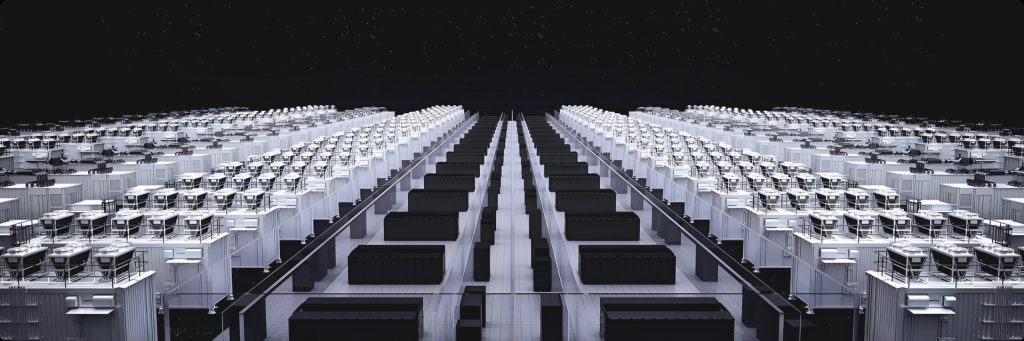
Deretan, Jakarta – For a dense intelligent computing deployment whose supporting facility must evolve with IT capacity, facility operators, IT planners, engineers and infrastructure owners need to identify how power, data and controls work together.

That review should cover compatibility, communications and acceptance testing, because the ultimate objective involves compute availability, power quality, heat removal and lifecycle efficiency.
Infrastructure planning becomes easier when each proposed function is connected to an owner, a measurement and a realistic operating scenario. A good plan links these practical questions to tests, documented responsibilities and realistic site conditions.
Power density
Compute accelerators may concentrate loads in fewer racks than legacy server deployments. This is also a useful point to identify the maintenance team, the safety procedure and the records needed during a future fault.
Design for maintenance windows
Critical systems need accessible components, safe bypass arrangements and documented change procedures. Planned service should not require improvised decisions about which compute loads to protect.
Operational records
Power and cooling capacity models need regular updates as rack populations change. This is also a useful point to identify the maintenance team, the safety procedure and the records needed during a future fault.
Make monitoring actionable
Power, cooling, environmental and asset information are most useful when alarms have clear owners and escalation rules. Collecting more telemetry alone does not improve incident response.
When comparing an integration approach, review AIDC with the proposed control architecture and acceptance criteria. Check that responsibility for each interface is explicit.
Portfolio decisions
Expansion choices depend on site land, energy availability and operational readiness. If later expansion is likely, the project should document both the technical interface and any new approval that could be needed.
Terminology and scope
Artificial intelligence data centers combine specialized computing with demanding energy and thermal infrastructure. Before approving equipment, ask for a drawing or operating scenario that demonstrates the stated function under local conditions.
Thermal readiness
Cooling distribution and heat rejection must match the specific hardware release plan. If later expansion is likely, the project should document both the technical interface and any new approval that could be needed.
For systems that need to exchange data or power, compare AIDC with the agreed integration map and obtain confirmation of relevant interfaces.
Grid integration
High power requirements can make utility capacity and connection dates project constraints. An independent operational check can show whether the plan reflects everyday use rather than an idealized demonstration.
For AIDC, the decisive question is whether the specified functions can be supported by site evidence, safe procedures and an accountable operating model. Each requirement should be reviewed against the actual project, not assumed to apply everywhere.
A site-specific checklist can translate these principles into inspections, test records and responsibilities that outlast a purchase decision.
Confirm the interfaces
The final integrated test should trace critical commands and measurements across the responsible systems. Unclear interface ownership is easier to repair before normal operations begin.















Komentar