


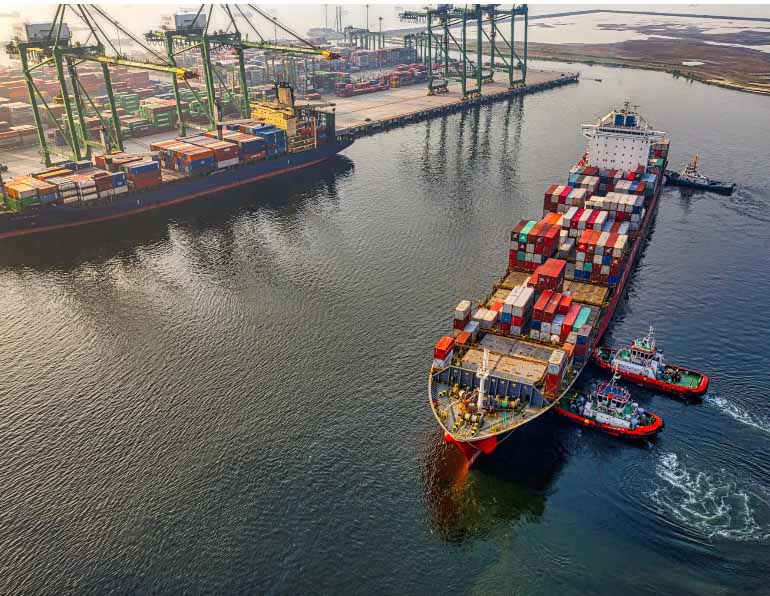
Deretan.com – In today’s connected business environment, moving products from one location to another is an essential part of daily operations. Whether a business sells products online, supplies retailers, or manages international trade, reliable transportation and organised logistics play an important role in keeping goods moving through the supply chain.

For businesses in Singapore and across international markets, logistics involves much more than arranging a delivery vehicle. Companies must consider shipment preparation, transportation methods, customs requirements, delivery coordination, and communication between the different parties involved.
This is where logistics providers such as RR Express become relevant. Founded in 2013, RR Express is a logistics and courier service company with experience in domestic distribution, delivery, and freight solutions, serving customers across Singapore, Australia, the United Kingdom, and Southeast Asia.
Understanding RR Express and Its Role in Modern Logistics
Logistics connects businesses, suppliers, warehouses, retailers, and customers through the movement of goods and related information. A well-organised logistics process helps businesses coordinate shipments, manage inventory, and plan their distribution activities.
RR Express operates within this logistics environment, providing courier, delivery, freight, and distribution solutions for businesses of different sizes. The company also works with established retailers and partners with major third-party logistics (3PL), air cargo, and sea freight companies to support local and international shipments.
What Is RR Express?
RR Express is a logistics and courier service provider established in 2013. With more than 15 years of experience in logistics and distribution, the company supports businesses with transportation and freight-related requirements.
Its operations cover domestic distribution and international shipping across several markets, including Singapore, Australia, the UK, and Southeast Asia. These markets connect businesses to regional and international supply chains, where coordination between transportation providers and other logistics partners is important.
Rather than focusing on a single type of shipment, RR Express provides logistics solutions that accommodate different business requirements. These include courier delivery, freight transportation, trucking, and distribution support.
Who Can Benefit from Logistics Services?
Logistics services are relevant to a wide range of businesses, from small online sellers to established retailers and companies involved in international trade. Each business may have different requirements depending on its products, shipment volume, delivery destinations, and operating model.
For example, an e-commerce business needs to coordinate orders and deliveries to individual customers, while a wholesaler may focus on moving larger quantities of goods between warehouses and retail locations. Manufacturers and distributors also rely on transportation arrangements to move products between suppliers, production facilities, and customers.
RR Express serves businesses of different sizes and works with established retail partners and logistics companies. This type of business-to-business coordination forms an important part of modern distribution networks.
Why Logistics Matters for Business Operations
Logistics has a direct connection to inventory planning, customer experience, operating costs, and business continuity. When shipments are not properly coordinated, businesses may face stock shortages, delivery complications, or additional administrative work.
Understanding the role of logistics can help businesses make more informed decisions about how goods should move through their supply chains.
Supporting Efficient Supply Chain Management
A supply chain includes the activities involved in sourcing, producing, storing, and distributing products. Transportation connects these activities by moving goods between suppliers, warehouses, distribution centres, and final destinations.
Businesses need to understand where their products are coming from, where they need to go, and when shipments should be arranged. This information helps teams plan stock replenishment and coordinate with suppliers or customers.
For example, a retailer preparing for a seasonal sales campaign may need to coordinate stock deliveries well before the campaign begins. Planning transportation requirements early gives the business more time to prepare for potential delays, documentation requirements, or changes in demand.
Helping E-Commerce Businesses Manage Deliveries
Online shopping has made delivery an important part of the customer experience. Customers expect clear shipping information, reasonable delivery arrangements, and updates about their orders.
For e-commerce businesses, logistics involves several connected activities, including order processing, packing, shipment collection, transportation, and final delivery. Returns management and customer communication may also form part of the wider fulfilment process.
Businesses can improve their delivery operations by setting clear dispatch schedules, checking shipping details before collection, and providing customers with accurate information. Working with a suitable courier or logistics provider can help businesses organise these activities more consistently.
Connecting Businesses to International Markets
International shipping allows businesses to source products from overseas suppliers and distribute goods to customers in other countries. However, cross-border shipments involve additional considerations beyond transportation alone.
Companies may need to prepare commercial invoices, packing lists, permits, and other supporting documents, depending on the shipment and destination. Singapore Customs explains that imported goods may be subject to customs declarations, GST, duties, and permit requirements, depending on the circumstances.
For businesses shipping internationally, understanding these requirements before dispatch can help reduce avoidable documentation issues. Logistics providers and freight partners can assist with coordinating transportation and related shipment arrangements, while importers and exporters remain responsible for meeting applicable regulatory obligations.
Understanding the Main Types of Logistics and Delivery Services
Different shipments require different transportation arrangements. The appropriate option depends on shipment size, delivery destination, urgency, product characteristics, and the budget available.
RR Express provides a range of logistics and delivery solutions covering domestic and international transportation by air, sea, and land.
Courier and Domestic Delivery Services
Courier services are commonly used to transport documents, parcels, and smaller shipments between locations. They support businesses that need to send products to customers, transfer goods between offices, or distribute orders within a domestic market.
For online retailers, domestic courier delivery is an important part of the fulfilment process. Businesses should consider collection arrangements, parcel dimensions, packaging requirements, delivery coverage, and available shipment tracking when planning their courier operations.
Before arranging a shipment, prepare the recipient’s full address and contact details. Double-checking this information can help prevent common delivery problems caused by incomplete or inaccurate addresses.
Freight and Trucking Services
Freight services generally involve the transportation of goods in larger quantities or through commercial shipping arrangements. Trucking supports the movement of cargo between warehouses, distribution facilities, ports, and other locations.
These services are relevant to wholesalers, manufacturers, retailers, and businesses handling larger consignments. Shipment planning may involve cargo dimensions, total weight, loading requirements, collection schedules, and the availability of suitable transportation.
Businesses should provide accurate cargo information when requesting freight arrangements. Clear details about the shipment help logistics providers assess the transportation requirements and identify the appropriate handling arrangements.
Air, Sea, and Land Transportation
Air freight is commonly considered for shipments where transit time is an important factor, subject to route availability, cargo acceptance, and operational conditions. Businesses should also account for airport handling, customs clearance, and other charges when evaluating air transportation.
Sea freight is frequently used for larger or heavier shipments and international cargo movements. It may involve additional planning for container space, port handling, shipping schedules, and customs documentation.
Land transportation supports domestic distribution and regional freight movements where road networks and border arrangements make it suitable. RR Express provides logistics solutions involving air, sea, and land transportation, allowing businesses to consider different shipment arrangements according to their requirements.
No transportation method is suitable for every shipment. Comparing the full cost, expected transit time, documentation requirements, and handling conditions is a practical starting point.
How to Prepare Shipments for Domestic and International Delivery
Good shipment preparation can help businesses reduce administrative errors and improve coordination with logistics partners. The following steps provide a practical starting point for businesses arranging courier or freight shipments.
Step 1: Identify the Shipment Requirements
Begin by identifying the shipment’s origin, destination, dimensions, weight, and contents. These details help determine the transportation method and any special handling requirements.
For international shipments, confirm whether the goods are restricted, controlled, or subject to specific import or export requirements. Singapore Customs provides guidance on checking controlled goods, obtaining permits, and preparing import documentation.
Step 2: Prepare Accurate Shipping Documents
Depending on the shipment, documents may include a commercial invoice, packing list, airway bill, bill of lading, consignment note, or customs permit.
Singapore’s Immigration and Checkpoints Authority identifies customs permits and supporting documents, including invoices, packing lists, bills of lading, and airway bills, as relevant to cargo clearance at checkpoints.
Check that the information on the shipping documents matches the actual shipment. Differences in declared quantities, cargo descriptions, or shipment values may lead to additional checks or administrative complications.
Step 3: Choose a Suitable Transportation Method
Once the shipment details are clear, compare the available transportation options. Consider the shipment’s size, destination, expected delivery window, total transportation cost, and any cargo-specific requirements.
For smaller domestic parcels, courier services may be appropriate. Larger commercial shipments may require freight or trucking arrangements, while international shipments may involve air or sea transportation depending on business priorities.
Request a clear explanation of applicable charges and services before confirming a shipment. Costs may include transportation, handling, customs documentation, duties, GST, and other applicable fees.
Step 4: Coordinate Dispatch and Delivery
After selecting a transportation arrangement, confirm the collection date, delivery address, packaging requirements, and relevant contact information.
Businesses should maintain shipment records and communicate important delivery information to the receiving party. For recurring shipments, a standard dispatch checklist can help employees follow the same process each time.
This is particularly useful for businesses handling multiple orders or coordinating deliveries across different locations.
How Businesses Can Improve Logistics Planning
Logistics planning does not need to be complicated to be useful. A few consistent practices can help businesses manage shipments, monitor costs, and identify areas for improvement.
Monitor Shipping Costs Regularly
Shipping expenses can include transportation, packaging, handling, storage, customs-related charges, and administrative fees. Looking only at the quoted freight rate may not reflect the full cost of moving goods.
Businesses can maintain a simple record of shipment costs by destination, transportation method, and shipment size. Reviewing these records periodically can help identify recurring expenses and support more informed budgeting decisions.
For international deliveries, confirm which party is responsible for duties, taxes, and customs-related charges before dispatch. This helps reduce confusion between sellers, buyers, and logistics partners.
Build Clear Communication with Logistics Partners
Communication is important when several parties are involved in a shipment. Businesses should establish clear procedures for sharing shipment details, reporting changes, and handling delivery issues.
For example, an online retailer can prepare a standard shipment information sheet containing order references, recipient details, parcel dimensions, and delivery instructions. This makes it easier for staff and logistics partners to work from consistent information.
RR Express works with major 3PL, air cargo, and sea freight partners, reflecting the collaborative nature of logistics operations. Coordination among businesses, carriers, and other service providers is a central part of managing domestic and international shipments.
Review Delivery Performance and Customer Feedback
Businesses can monitor delivery-related indicators such as dispatch accuracy, shipping costs, reported delivery issues, and customer feedback. Reviewing these indicators over time helps teams understand where operational adjustments may be needed.
For example, recurring address errors may indicate a need to improve the checkout process, while frequent packaging issues may require updated packing guidelines.
The objective is to use shipment information to improve operational planning rather than relying on assumptions about delivery performance.
RR Express and the Future of Business Logistics
The logistics industry continues to support the movement of products through increasingly connected regional and international markets. Singapore plays an important role in this environment through its port connectivity, air cargo infrastructure, and position within regional trade networks.
As businesses expand their distribution activities, logistics planning becomes an important part of managing customer expectations and operational requirements. Companies need to consider transportation, shipment documentation, inventory coordination, and communication across different stages of the supply chain.
Founded in 2013, RR Express provides courier, domestic distribution, freight, trucking, and logistics solutions for businesses across Singapore, Australia, the UK, and Southeast Asia. Its work with established retailers and logistics partners places the company within the broader network of providers supporting local and international cargo movements.
For businesses evaluating logistics arrangements, the practical approach is to identify shipment requirements, understand applicable costs and documentation, and communicate clearly with service providers before dispatch.
Conclusion
Logistics is an essential part of modern business operations, connecting suppliers, warehouses, retailers, and customers through the movement of goods. Understanding courier services, freight transportation, customs documentation, and shipment planning can help businesses make informed decisions about their distribution requirements.
RR Express operates in this environment as a logistics and courier service provider, offering domestic and international delivery, freight, trucking, and distribution solutions. Its presence across Singapore, Australia, the UK, and Southeast Asia reflects the cross-border nature of the logistics networks used by businesses today.
By preparing accurate shipping information, comparing transportation options, monitoring costs, and maintaining clear communication with logistics partners, businesses can develop more organised shipping processes that support their wider operational goals.















Komentar