


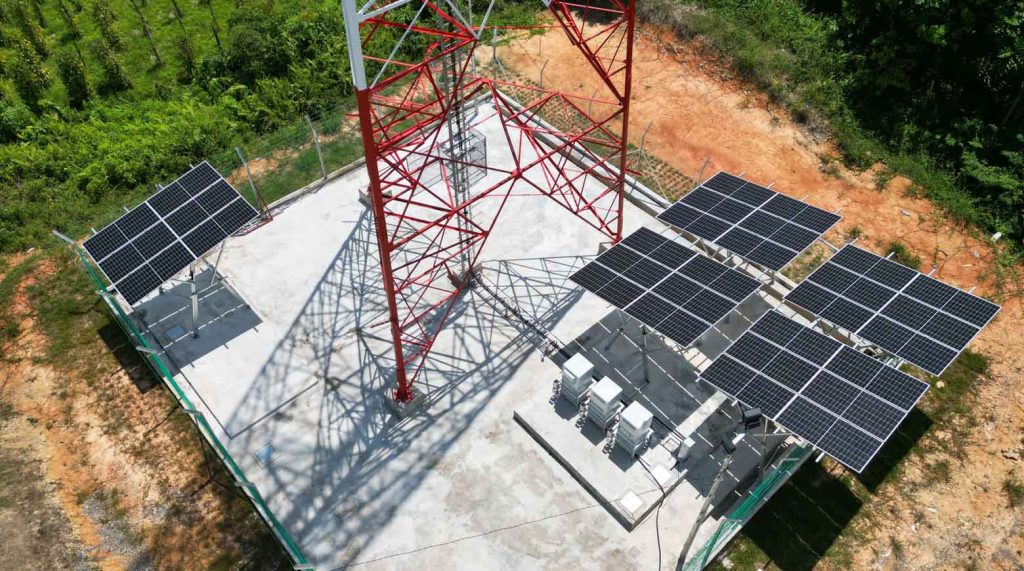
Deretan, Jakarta – Remote radio sites face a difficult balance between limited shelter space, battery autonomy, and maintenance visits. For telecom site lithium battery, system interfaces shape the real outcome. Huawei Digital Power positions CloudLi as a lithium battery solution for telecom sites, moving from traditional backup toward coordinated energy use. Its site power portfolio also includes simplified deployment, AI-powered green site coordination, and intelligent site management for distributed facilities.
How battery backup fits the DC site

Telecom energy systems commonly combine rectifiers, DC distribution, site loads, and a battery backup path. CloudLi belongs to the battery portion of this architecture; its final capacity and integration depend on the existing DC voltage system and load characteristics.
A battery management system monitors relevant operating conditions and limits unsafe charge or discharge behaviour. Site controllers still need a coordinated response to utility loss, restoration, and any connected generation.
Battery cabinets must be checked for heat management, mounting, wiring, protection, and service access. The suitable design varies between indoor equipment rooms, outdoor enclosures, and compact pole-mounted sites.
From standby energy to managed resource
Huawei describes CloudLi with a transition from backup to payback and pairs it with AI-powered green site solutions. That concept refers to coordinated energy use, subject to preserving the reserve required for network availability.
Where electricity tariffs vary, a site controller can potentially shift some charging or discharging within a defined energy budget. The operating strategy must never assume that backup reserve is freely available for routine dispatch.
Monitor battery condition and safety
Intelligent site management brings visibility into the condition of distributed power assets. For batteries, useful information includes state of charge, alarms, temperature conditions, and indicators that may warrant inspection.
Battery performance changes with aging, ambient temperature, discharge rate, and the depth of cycling. A maintenance plan should compare observed autonomy and health indicators with the conditions used in the original design.
For solar or battery integration, controllers need a priority order between the radio load, battery reserve, and energy optimisation. Power continuity must remain defined for poor weather and a sudden grid interruption.
Deploy across varied telecom locations
Some sites need cabinet-level integration while others rely on outdoor power enclosures or more compact installations. The physical deployment should be based on environmental rating, space, access control, and the installed telecom load.
Acceptance testing should include a controlled grid-failure sequence and restoration, with checks for alarm reporting and usable reserve. Test depth must follow site safety procedures and the selected battery documentation.
A telecom site lithium battery is more than stored energy: its controls, integration, health reporting, and reserve policy influence network continuity. CloudLi and associated site management capabilities provide a framework that still requires careful sizing and site-specific safety review. For telecom site lithium battery, Any claimed benefit should be assessed under realistic loads, environmental conditions, and the local operating policy.














Komentar