


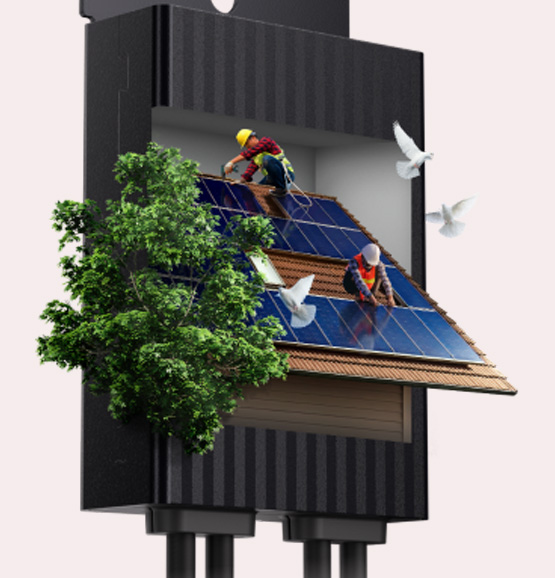
Deretan.com – Two panels on the same roof can produce different energy because one is shaded by a chimney for part of the morning. A module-level approach can reveal that difference. This is a familiar challenge in rooftop solar projects, where decisions made early can restrict operation for years. Start with an operating requirement that can be verified in the field. Procurement language is much more useful when engineers, owners and operators agree on the same boundary of responsibility.
Look Beyond Annual Generation

Household electricity use changes by hour and season. A solar estimate expressed only as annual kilowatt-hours cannot show how much energy will be consumed on site. Review daytime occupancy, heat pumps, electric vehicles and any planned battery. The export tariff or limit can change the value of a kilowatt-hour significantly.
Understand Monitoring Limits
A monitoring app can reveal production, consumption and equipment status, but its usefulness depends on correct meter placement and network connectivity. Owners need to know which data are measured and which are estimated. When a communication link fails, local electrical safety functions must remain independent of the app display.
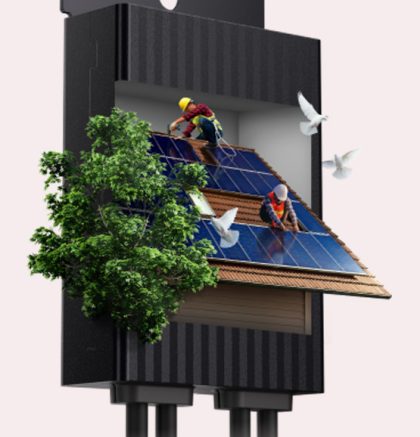
A practical way to evaluate a Smart Module Controller against the real constraints of this location, not the capabilities of an ideal test site. Check optimizer and inverter compatibility by model and firmware, particularly when the project combines different module ratings.
Allow for Changing Loads
A household may add an EV, change its heating system or increase daytime electricity consumption. These changes can alter the best inverter and battery configuration. It is worth preserving a practical upgrade path without paying today for every hypothetical future appliance. Review feeder capacity and equipment compatibility before committing.
Extra rooftop electronics bring installation and service considerations; cable routing and safe isolation remain essential.
Compare Lifetime Economics
Installer quotes should use consistent assumptions for irradiation, degradation, electricity prices and maintenance. Savings from self-consumption and payments for exported energy need separate lines. Financial calculations also require clarity about warranties and battery replacements where applicable. An unrealistic payback claim is not made reliable by precise-looking decimals.
Inspect the Physical Site
Roof remaining life, loading, fire access and cable routes belong in the earliest feasibility visit. Large roofs often contain equipment and shadowing that are not obvious on aerial imagery. If reroofing is likely during the solar system life, maintenance and removal costs need to be visible in the investment case. A cheaper array layout can be expensive to service.
The case for a Smart Module Controller is best established through a measurable site-level outcome. Request a shade study and commissioning screenshots rather than assuming a fixed percentage of extra yield.
Define the Critical Loads
Remote systems are built around services that cannot stop, such as water pumping, communications or refrigeration. List these loads separately from discretionary uses. Starting currents, operating schedules and seasonal demand changes matter. Energy adequacy over a day is not the same as having enough instantaneous power for a large motor.
A relevant product reference for Smart Module Controller can help frame the final acceptance tests. Supplier documentation still needs to match the selected configuration.












Komentar